
Liver Transplantation
Home > Services
Why Choose Dr. Anand Vijai for Liver Transplantation?
- Expertise in HPB & Liver Transplant Surgery – Over 550+ successful surgeries performed
- Trained Under Renowned Surgeons – Fellowship from Dr. Arvinder Soin
- Leader in Robotic & Laparoscopic Liver Surgeries – One of India ’s pioneers in minimally invasive donor liver transplant surgery
- State-of-the-Art Facility at GEM Hospital, Coimbatore – Equipped with the latest technology for advanced liver care
Advantages of Robotic & Laparoscopic Liver Transplant Surgery
With advancements in minimally invasive surgery, liver transplantation is now performed using laparoscopic and robotic techniques, offering several benefits:
- Smaller Incisions – Faster healing with minimal scarring
- Less Blood Loss – Reduced need for blood transfusions
- Lower Risk of Infection – Minimally invasive techniques lower surgical site infections
- Faster Recovery – Shorter hospital stays and quicker return to normal activities
- Precision & Accuracy – Robotic-assisted surgery ensures high precision
- Robotic Donor Hepatectomy – The donor's liver segment is removed with robotic assistance, ensuring better outcomes
- Laparoscopic Liver Surgery – Used for tumor removal, cyst excision, and minimally invasive donor liver retrieval
Liver Transplantation
Liver transplantation in Coimbatore has become a life-saving solution for patients suffering from chronic liver conditions, liver failure, or liver cancer. With its growing reputation for advanced medical care and surgical excellence, Coimbatore is now recognized as a top destination in South India for liver transplants.
Are you or a loved one searching for expert liver transplant care? You’re at the right place. With exceptional medical infrastructure and experienced specialists, Coimbatore offers some of the best facilities for liver transplantation—delivering hope and healing when it’s needed most.
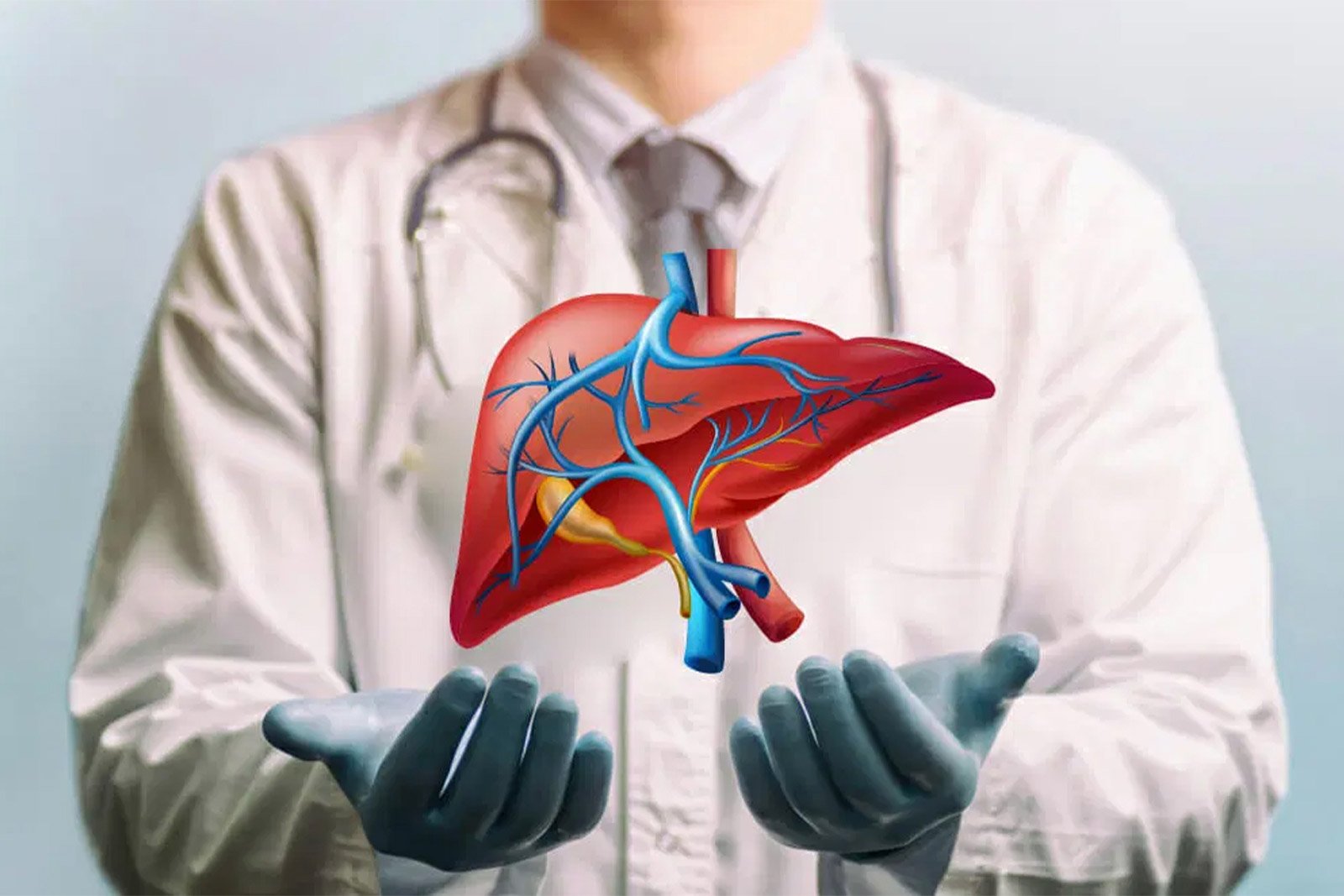
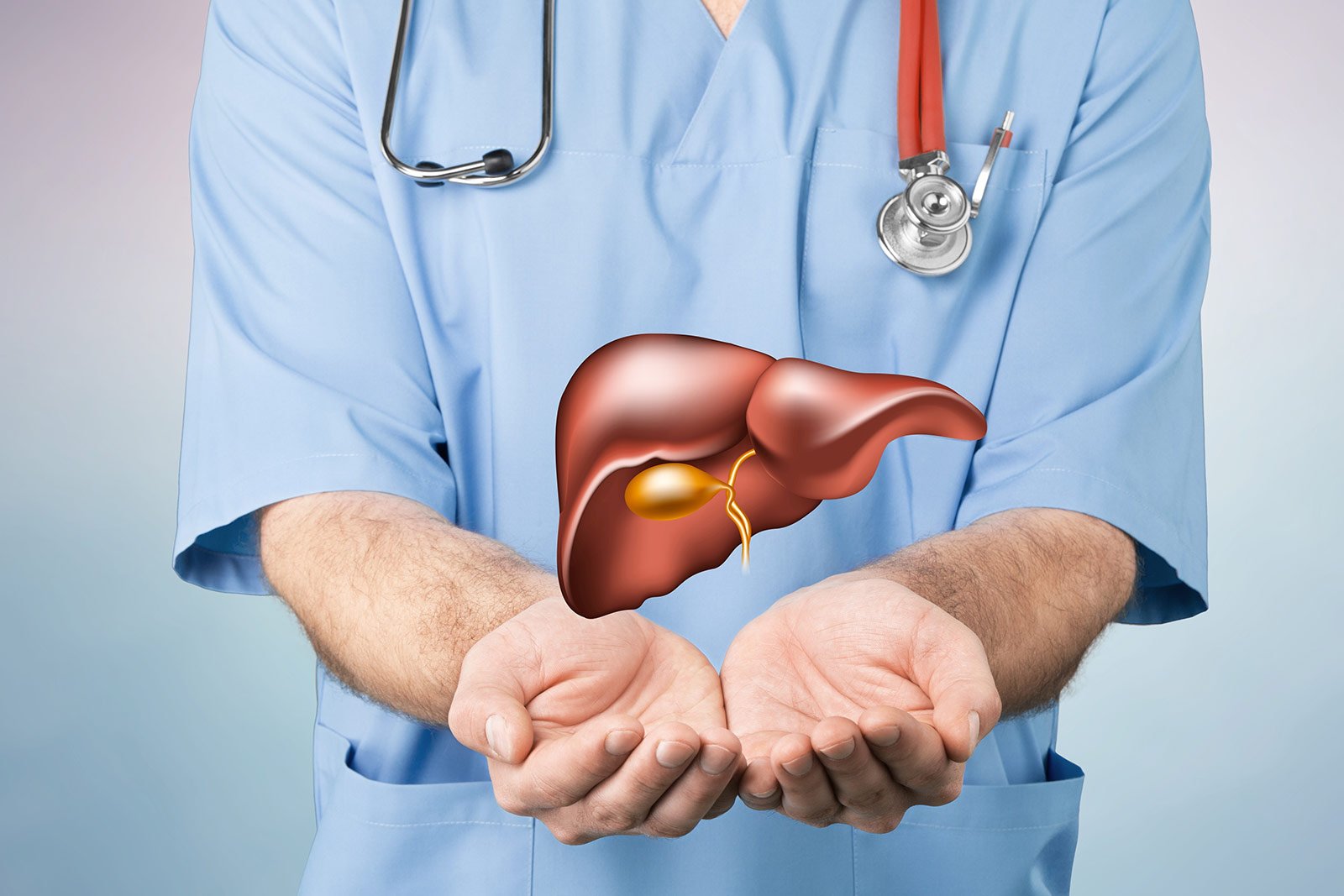
Liver transplantation is a complex surgical procedure in which a damaged or non-functioning liver is replaced with a healthy one from a donor. It is often the only viable treatment for patients facing end–stage liver disease, acute liver failure, or certain liver cancers.
What makes liver transplantation in Coimbatore highly sought-after is the presence of state-of-the-art transplant centers, skilled multidisciplinary teams, and comprehensive pre- and post-operative care. Patients benefit from high success rates, advanced ICU care, faster recovery, and ongoing support throughout their healing journey.
Whether you are seeking timely treatment for a loved one or exploring advanced liver care options, Coimbatore is a reliable choice for liver transplantation with medical expertise that meets international standards.
Types of Liver Transplantation
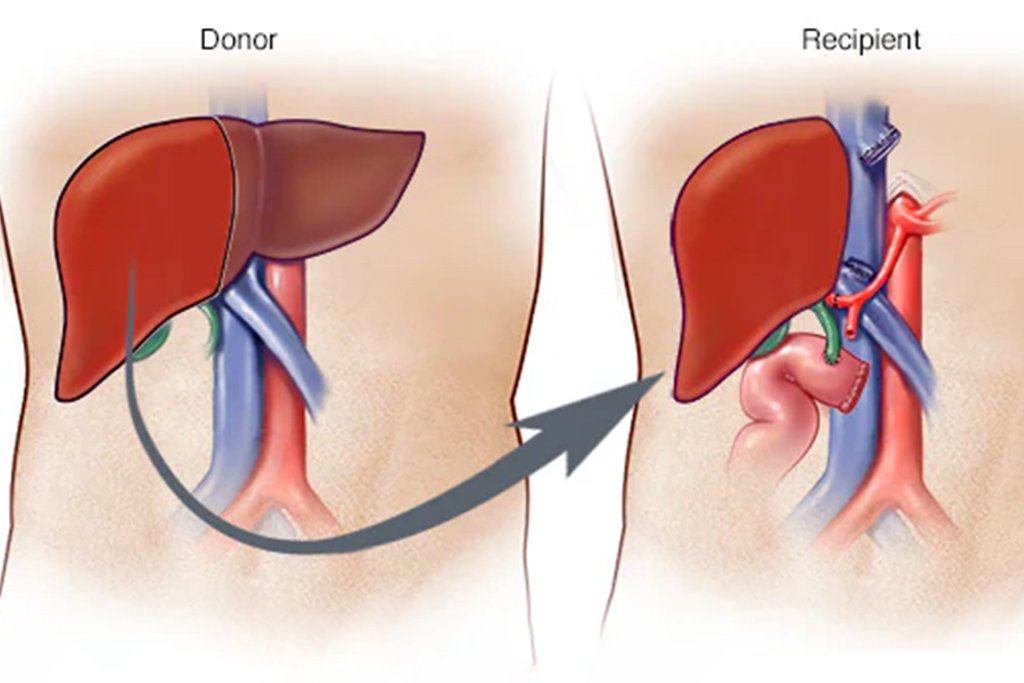
Living Donor Liver Transplant (LDLT)
- Involves transplanting a portion of the liver from a healthy living donor (usually a close family member).
- The donor’s liver regenerates over time, restoring full function.
- Minimally invasive techniques like laparoscopic and robotic donor hepatectomy ensure faster recovery for the donor
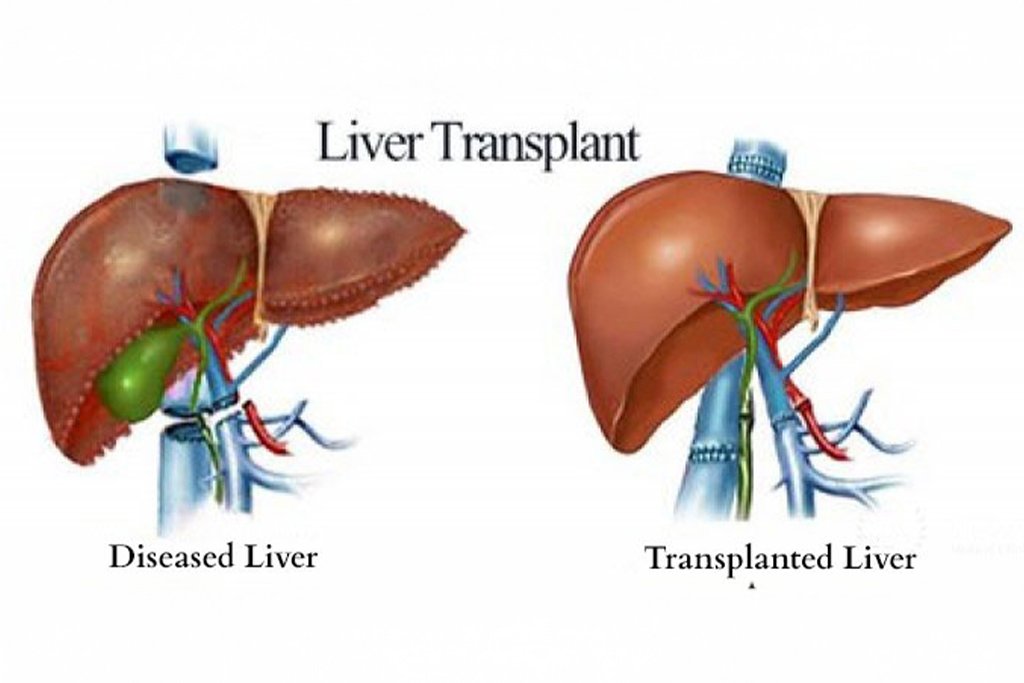
Deceased Donor Liver Transplant (DDLT)
- Performed using a liver from a brain-dead donor
- Suitable for patients with end-stage liver disease or acute liver failure
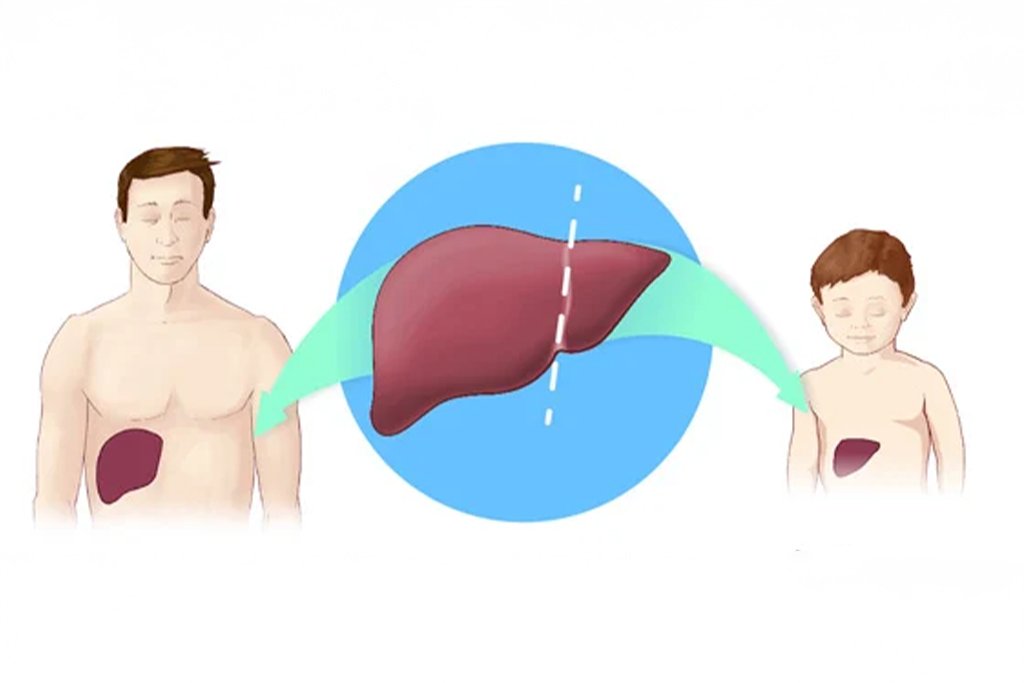
Split Liver Transplant
- A single donor liver is split into two sections to save two patients, usually an adult and a child
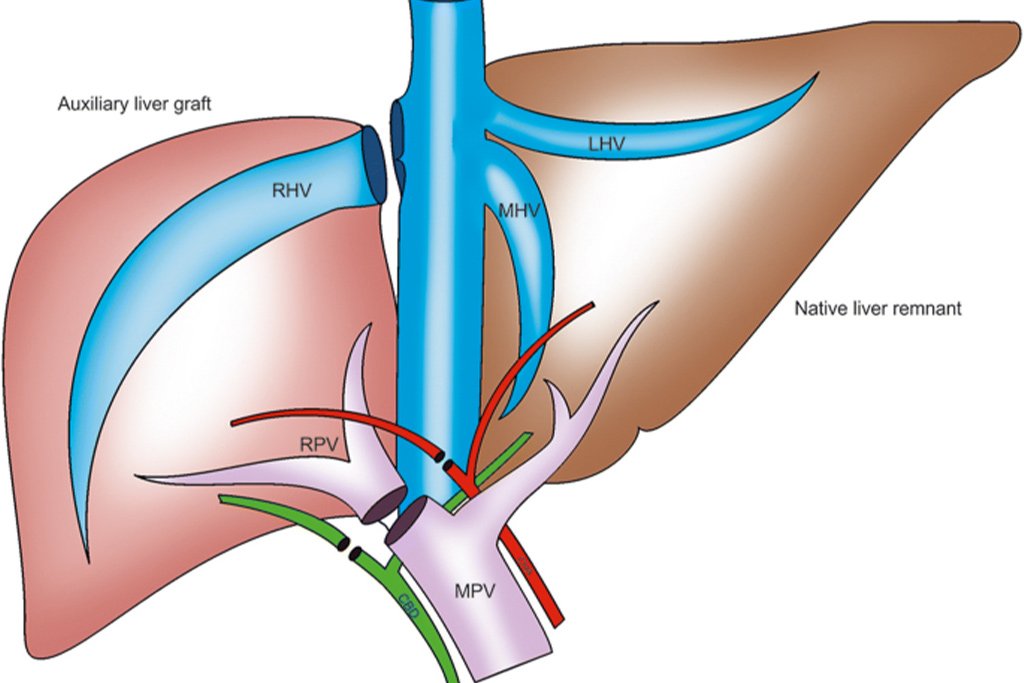
Auxiliary Liver Transplant
- A portion of the donor liver is transplanted while the diseased liver remains partially functional
- Suitable for acute liver failure cases where native liver function may recover
Causes Leading to Liver Transplant
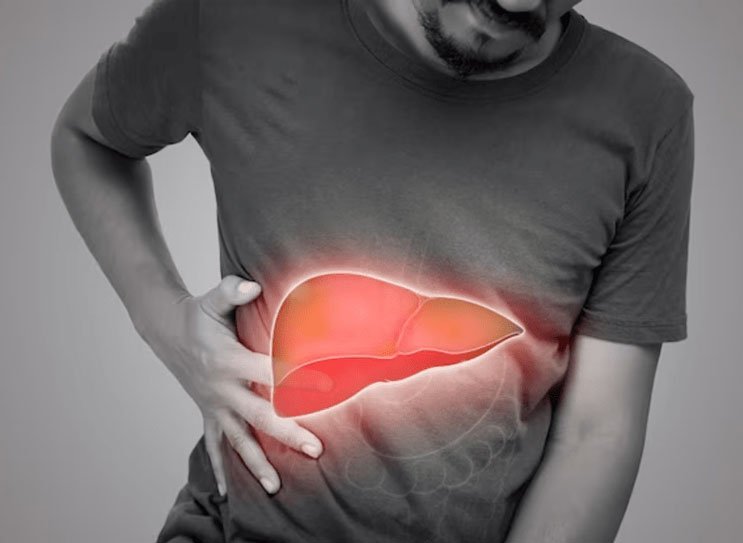
A liver transplant is recommended when chronic liver disease leads to liver failure or when a patient develops liver cancer that cannot be treated with other methods.
Common Causes Include:
- Cirrhosis – Scarring of the liver due to alcohol, hepatitis, or fatty liver disease
- Liver Cancer – Hepatocellular carcinoma (HCC) or bile duct cancer
- Hepatitis B & C – Viral infections that cause chronic liver damage
- Fatty Liver Disease (NAFLD & NASH) – Obesity-related liver dysfunction
- Autoimmune Liver Diseases – Conditions like primary biliary cholangitis (PBC) and autoimmune hepatitis
- Genetic Liver Disorders – Wilson’s disease, Hemochromatosis, etc
- Acute Liver Failure – Caused by drug toxicity (e.g., paracetamol overdose), infections, or metabolic disorders
Risks of Liver Transplantation
Like any major surgery, liver transplants come with potential risks and complications, including:
- Rejection of the new liver by the immune system
- Infections due to immunosuppressive medications
- Biliary complications (blockage or leakage in the bile ducts)
- Bleeding & blood clot formation
- Recurrence of liver disease in some cases
However, with Modern Surgical Techniques, Proper Medication, and Close Monitoring, most patients Recover well and Lead healthy lives post-transplant.
How to Prepare for a Liver Transplant?

Pre-Transplant Evaluation
- Comprehensive medical tests (blood tests, liver function tests, imaging scans)
- Psychological & nutritional assessment
- Matching a suitable donor (for living or deceased donor transplantation)
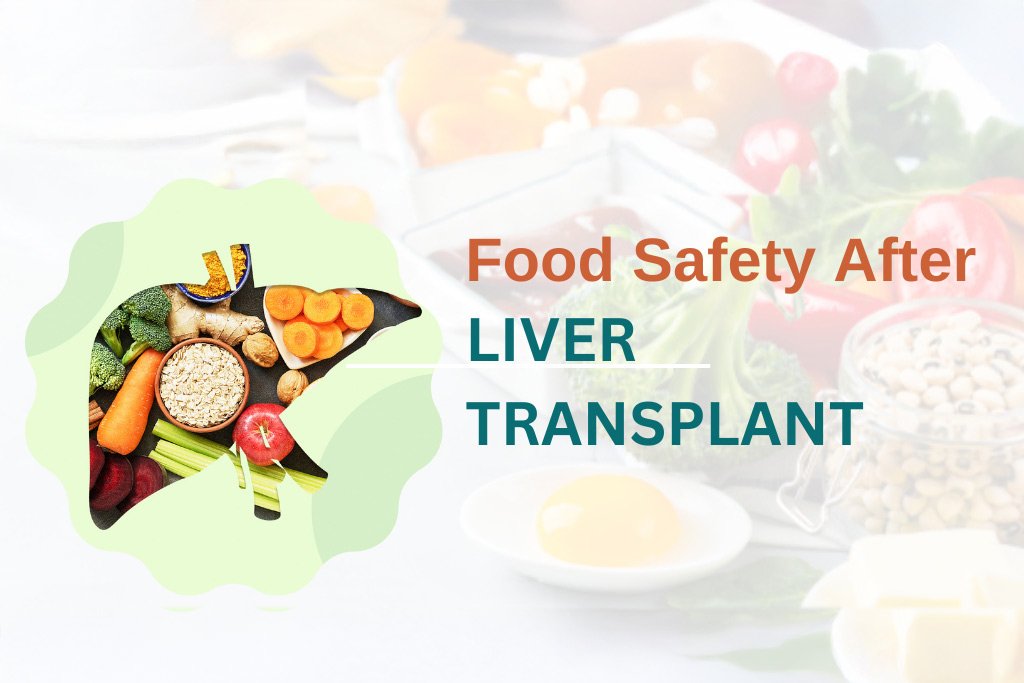
Lifestyle & Dietary Adjustments
- Quit smoking & alcohol to improve surgical outcomes
- Maintain a healthy diet rich in protein and low in salt
- Stay physically active to enhance recovery
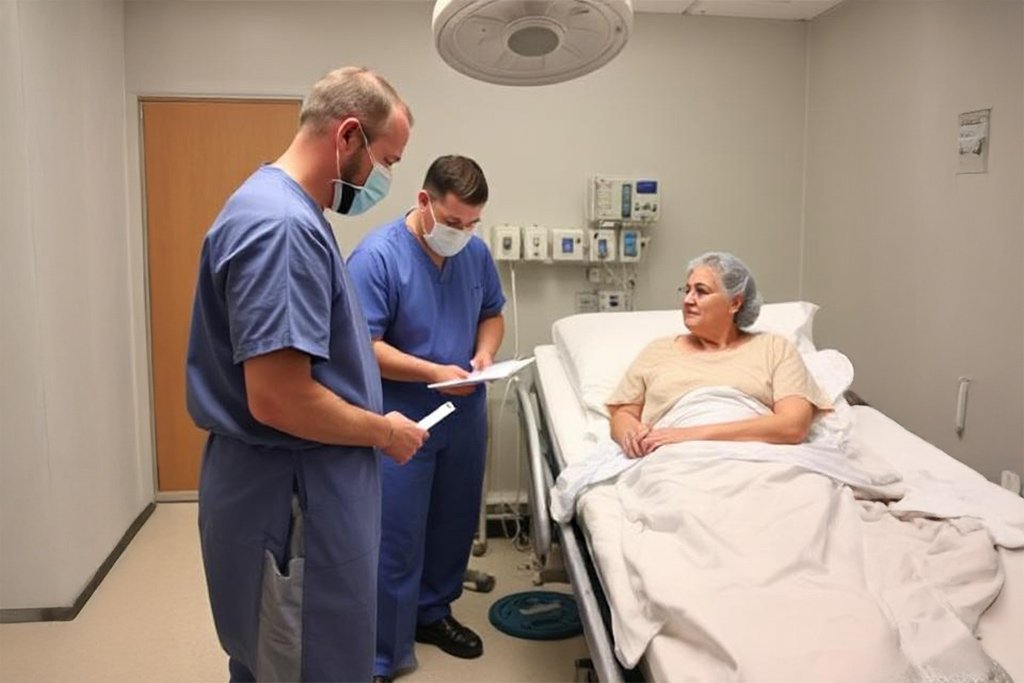
Pre-Surgical Preparations
- Patients and family members will receive a detailed briefing about the procedure
- Hospital stay arrangements will be made in advance
Liver Transplant Procedure – Before, During & After

Before Surgery
- Admission to the hospital for pre-surgical preparation
- Fasting for a certain period before surgery
- Pre-operative medications & intravenous fluids

During Surgery
- The transplant is performed under general anesthesia
- The damaged liver is removed and replaced with the healthy donor liver
- The blood vessels and bile ducts are reconnected to ensure normal liver function
- The procedure can take 6 to 12 hours depending on complexity

After Surgery
- Patients are monitored in the ICU for a few days before shifting to a normal ward
- Immunosuppressive medications are started to prevent organ rejection
- Regular blood tests & imaging scans to ensure liver function
- Physical therapy & diet management to aid recovery
Recovery After Liver Transplant
- Hospital Stay: 10-14 days (varies based on individual cases)
- Full Recovery: 3 to 6 months with regular follow-ups
- Lifestyle Modifications:
- Healthy diet – Low-fat, high-protein, and fiber-rich foods
- Regular exercise – Light activities like walking and yoga
- Medication adherence – Lifelong immunosuppressants to prevent rejection
Insurance Covered
We accept all major insurance providers, ensuring hassle-free cashless treatments for liver transplants, HPB surgeries, and other procedures. Our team assists with insurance approvals and claims processing for a smooth experience. Contact us to verify your coverage.


Frequently Asked Questions
Persistent jaundice, fluid retention, and liver failure symptoms are key indicators.
A portion of the healthy donor's liver is transplanted into the recipient.
Costs vary but are partially or fully covered by most insurance plans.
Typically, the procedure lasts 6–12 hours.
Recovery takes around 8–12 weeks, with regular follow-up visits for optimal results.